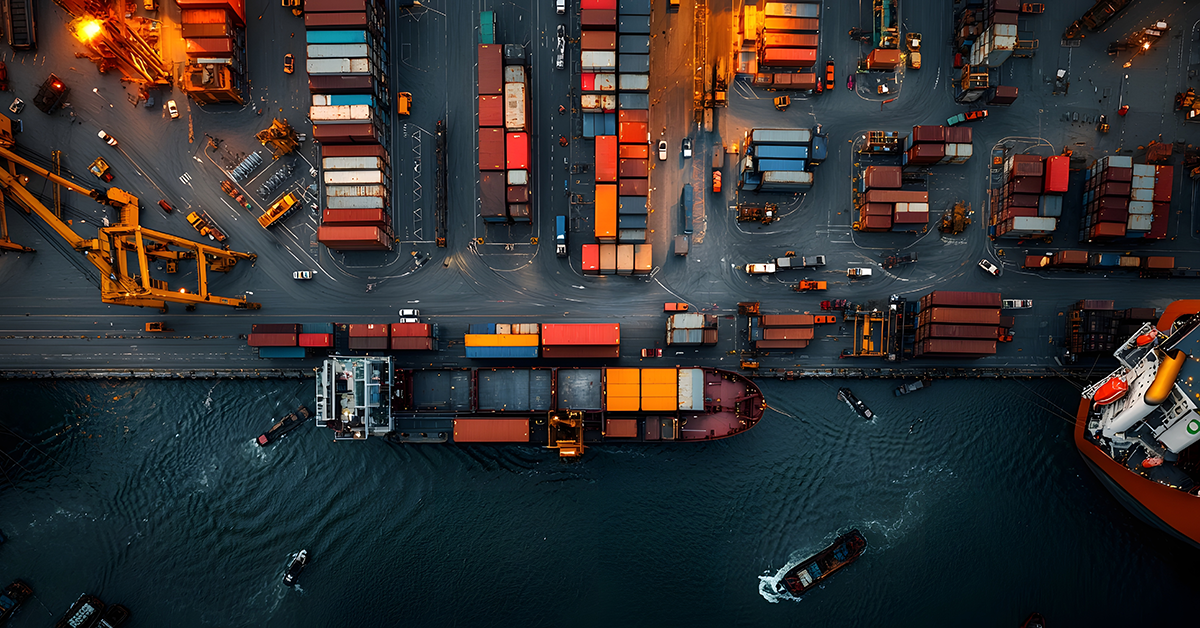
An aerial panoramic view of a thriving multimodal transportation nexus a seamlessly integrated network of highways railyards and active port facilities with freight trucks

Thriving in difficult conditions: Key shipper considerations in 2026

Shippers can't negotiate their way to resilience. They have to build it.

By Tim O’Connell, Vice President of Sales Operations & Marketing, Odyssey Logistics

In the 1960s, Thomas Brock discovered organisms thriving in Yellowstone’s boiling hot springs—lifeforms called ‘extremophiles’ whose biochemistry was optimized for conditions that should have destroyed them. These extremophiles don’t merely tolerate difficult environments: they’re comfortable in them.

In 2026, shippers face similar evolutionary pressure. The initial reaction is to negotiate harder with suppliers and carriers, optimize rates, tighten terms—but this approach delivers diminishing returns. Push too hard and service deteriorates, suppliers feel an unsustainable pinch, and when markets rebound you find yourself capacity-constrained with nowhere to turn.
A more durable lever is gaining clarity on your internal operations: how freight moves through your network, where inefficiencies hide, which decisions create downstream problems. This visibility builds resilience—and it’s easier to achieve with a partner who understands your needs and can help you act on what you see.

For our customers, this is the role Odyssey plays: helping your supply chain evolve to thrive under pressure.

Volatility is the operating environment

The number of factors shippers must track is growing steadily. Waiting for stability is no longer a strategy.
Five years ago, supply chain planning meant managing a finite set of known variables. Today the inputs have multiplied—and they shift faster than annual planning cycles can accommodate. Geopolitical pressure now spans multiple continents while tariffs reshape trade flows overnight. Chinese exports have declined sharply. Asia-Europe trade—usually a bellwether—remains depressed. The trucking market faces mounting pressure from driver shortages compounded by tightening CDL and language requirements.
This increased complexity demands a different approach to planning. Options matter more than ever, and decision-making must accelerate when conditions shift. Scenario planning—asking what happens if trucking capacity contracts, if a polar vortex disrupts northern routes for three months, if tariffs spike again—needs to happen regularly, not once a year.
How can shippers’ supply chains evolve to thrive in these conditions?

The multimodal hedge

Modal combinations now function as a hedge against disruption, not just a cost play.
Mode selection used to be an execution decision, made after the real strategic work was done. In 2026, that framing will be obsolete. Shippers now use combinations of rail, truck and other modes intentionally, as a hedge against volatility rather than purely a cost play.
The logic is straightforward: when trucking costs spike in certain lanes, rail becomes the pressure valve. When driver availability tightens, intermodal options prevent network lockups. This flexibility requires planning—rail moves slower than truck, which means supply chains must be engineered to accommodate different lead times. But companies that do this work gain something valuable: resilience that doesn’t depend on any single mode staying cheap or available.

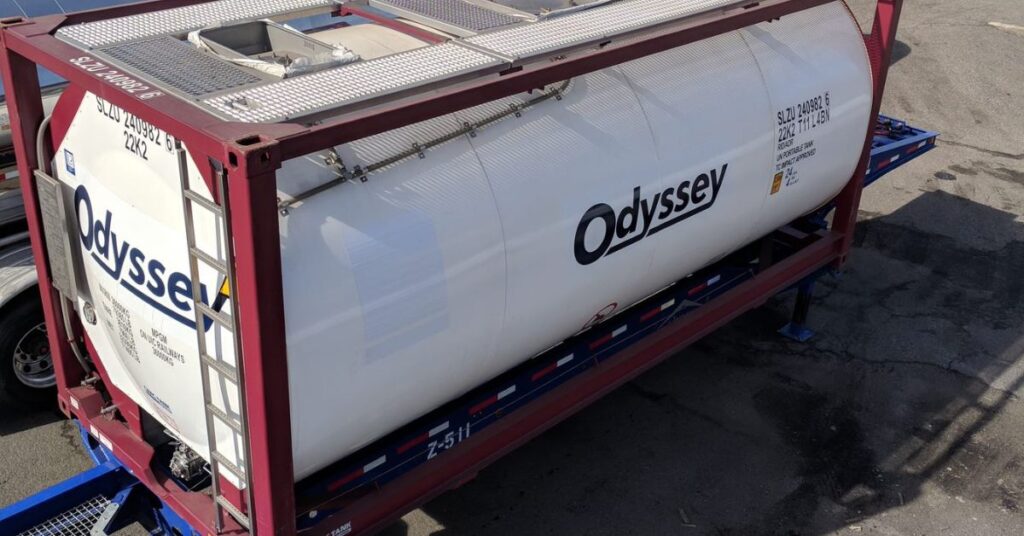
Odyssey’s network spans intermodal services (containerized cargo, metals, ISO tanks), trucking (brokerage, flatbed, full truckload, LTL, drayage) and warehousing (strategic facilities, temperature-controlled storage, transload services). This breadth gives shippers access to multiple levers when conditions shift—the ability to move freight across modes without scrambling to find new providers.

Visibility that drives decisions

Knowing where a shipment is matters less than seeing your entire network clearly enough to act on what you find.
For years, visibility meant shipment tracking, i.e., knowing a container’s location at any given moment. The more pressing question is now: how do I see my entire network—what’s in motion, what’s sitting in warehouses, what’s ready to sell—so I can make faster decisions?
In a volatile environment, this kind of visibility is essential for scenario planning. It exposes waste that absolute price reductions can’t touch.

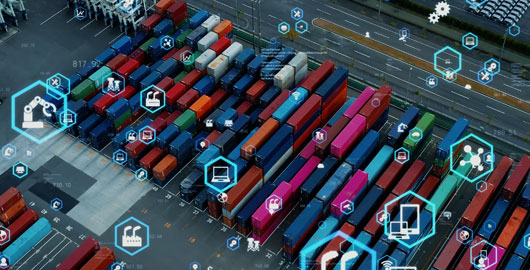
Odyssey has invested over $40 million in technology over the past three years, building a data lake and AI capabilities that combine shippers’ data with Odyssey’s own to equip customers with a more complete picture of supply chain performance. This foundation powers our network optimization services, which have helped customers identify significant savings—one global manufacturer uncovered $60 million in unseen efficiency through this process.


The human element remains critical

AI handles the routine; experienced teams navigate the competing priorities that algorithms can’t reconcile.
AI and automation handle routine tasks well: dynamic pricing, reducing empty miles, invoicing, accounts payable. This frees experienced logistics professionals to focus on exceptions management, solution building and the consultative work that actually moves the needle.
AI, however, can’t navigate the competing objectives that define real supply chains. Railroads optimize for their own priorities, trucking companies have different incentives, and customers have growth targets and shareholder expectations. Coordinating across these actors requires judgment rooted in experience.
Odyssey has spent over 20 years building deep expertise across intermodal, trucking, warehousing and managed services. Our teams understand the nuances of each part of your supply—and can adapt quickly under pressure, shifting routes and solving problems before they cascade. While our technology supports these decisions, only humans can make them.

Position now for the rebound

When capacity tightens, shippers who over-squeezed suppliers will have nowhere to turn.
Signs of life are emerging in the industry—automotive and aerospace are showing early recovery signals. While the market remains soft, it will eventually rebound. When it does, capacity constraints will replace cost pressure as the primary challenge, and companies that have pushed suppliers to the breaking point will find themselves without options.
Extremophiles didn’t evolve in anticipation of hostile conditions. The pressure itself reshaped them. Five years of disruption have offered shippers the same opportunity to let volatility forge them rather than break them. Smart shippers will continue to take that opportunity: investing in visibility, flexibility and partnerships that adapt under pressure instead of chasing rigid low-cost models that break when stressed.
If you’re ready to build a supply chain that’s native to volatility, or want to explore how your network can evolve, schedule a visibility audit with our strategy team today.

Ready to connect?

Get in touch with one of our supply chain experts today to learn more.

Related posts

Managed Transportation

At Odyssey, we help our customers build more resilient supply chains — end to end. Our managed transportation solutions can be tailored for even the most complex industries. 

Explore how we can support the growth goals for your business, so you can navigate today’s evolving supply chain landscape with confidence.

Careers at Odyssey

See your impact at Odyssey. Join us as we push the supply chain and logistics industry forward. 

Explore corporate and warehouse roles, and driving opportunities with us.

cargo containers in transit via rail transport

Industries we serve

Streamline your supply chain with our resilient transportation solutions, meticulously aligned with your industry’s demands.

When you partner with Odyssey, you benefit from unmatched reliability, expertise and resilience.