Three fires at an upstream aluminum plant disrupted beverage supply chains that had no direct relationship with the supplier — and exposed what logistics flexibility actually looks like when it matters.
By Charlie Taylor, Vice President of Sales – Intermodal and T&W, Odyssey Logistics
In late 2025, a major aluminum coil supplier experienced a series of fires at its main production facility. The plant supplied a significant share of North American can stock, and when output dropped, beverage manufacturers with no direct relationship with this supplier had to reconfigure supply plans mid-season. A disruption two tiers upstream became their problem.
The fires pushed supply chain risk further upstream than most beverage producers plan for — and further than most logistics partners can reach.
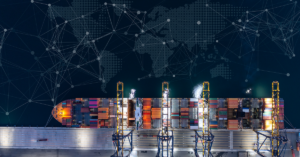
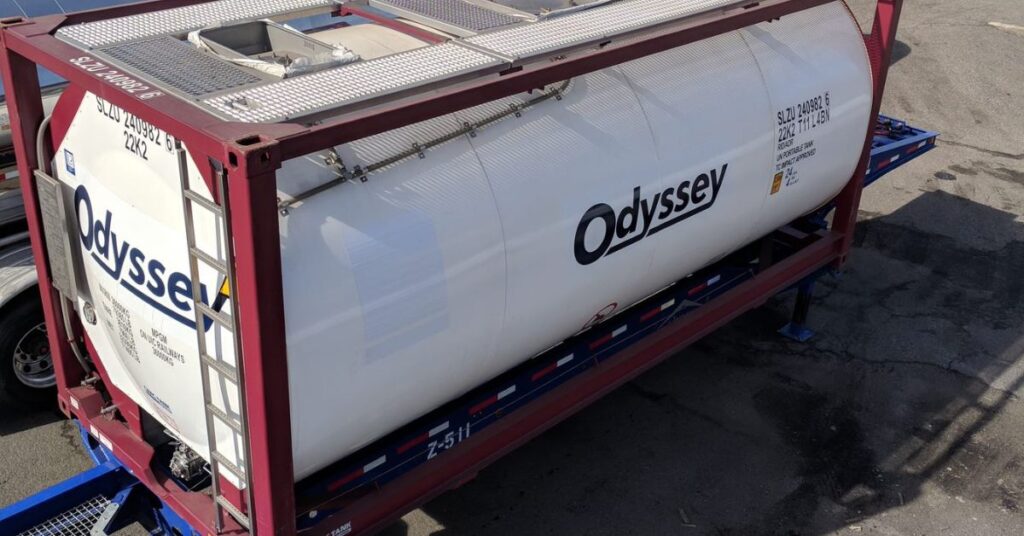
When the fires interrupted coil supply, Odyssey customers were ready because Odyssey had answers and interventions across the supply chain, including coil intake, transportation, and warehousing between aluminum producers and can manufacturers. When the manufacturer began sourcing coil from South America, Odyssey stood up intake in Savannah, Ga., established temporary overflow facilities, and managed transportation to can manufacturers in Florida. This response drew on relationships already in place — Odyssey was able to serve both the suppliers moving the coil and the manufacturers receiving it.
In our partnerships, Odyssey offers this full range of infrastructure to equip beverage manufacturers with more options and flexibility for their freight.
Where Odyssey fits in your supply chain
Pressure points are different for every manufacturer. Odyssey manages the supply chain from raw material intake through warehousing, transport and finished goods delivery to licensed distributors and understands each location along the journey.
Here’s how we address each segment.
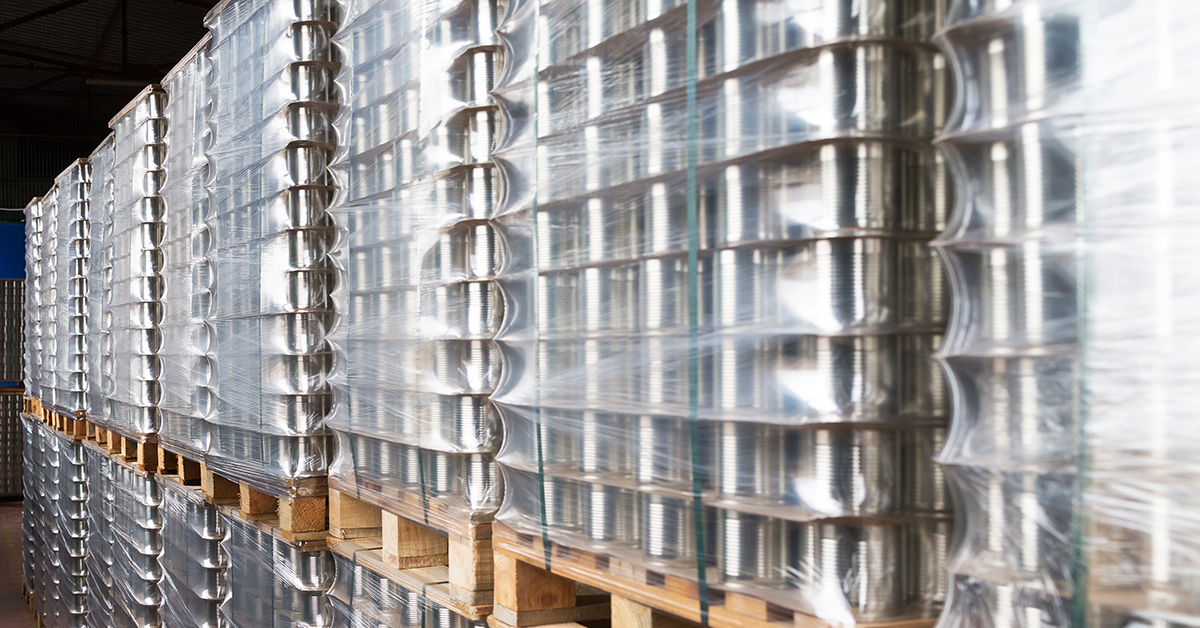
For manufacturers managing the packaging front end, the critical variable is whether blanks and coil are available when the line is ready. Odyssey operates just-in-time (JIT)-capable warehousing adjacent to major filling operations in key production markets — in some cases within the same parking lot.
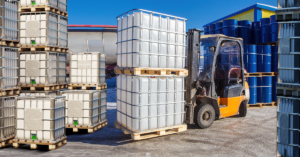
When a filling line needs 42 pallets of 12-ounce blanks, a 30-minute delivery window keeps production moving. Upstream, Odyssey’s metals network handles aluminum coil from port through storage and into can manufacturers across multiple markets. Odyssey’s infrastructure is designed to serve beverage manufacturers’ tight production schedules.
This same logic applies across other legs. Odyssey can price by leg, so manufacturers optimize against their own rates on specific segments, or take the full move at a single rate. Some manufacturers carry stronger dray rates on certain legs than Odyssey does — in those cases, Odyssey takes the segments where the value is highest and the manufacturer covers the rest.
Fast-growing brands don’t have to sign five-year leases to fund growth they’re still forecasting. Odyssey holds the warehouse leases on finished goods facilities, so manufacturers don’t have to commit to long-term square footage before their volume stabilizes. A brand that enters the market with modest space requirements and doubles or triples its footprint within months can absorb that growth without renegotiating a single commitment.
At rail-sided facilities, boxcars arrive direct, we store product first-in-first-out and release it by lot number on customer call, processing 30 to 35 loads per day out of a single facility. Odyssey absorbs the real estate risk so manufacturers can focus on growth.
Multimodal supply chains rarely provide true end-to-end tracking. Rail networks don’t consistently share real-time data, and international legs often require stitching together feeds from multiple sources. For JIT operations, the most reliable visibility comes from operational proximity – working with a logistics partner who is close to your facilities and aligned to your production cadence. When issues surface, visibility becomes a phone call and a fix, not a dashboard refresh.
These are operators who have managed through market shifts, carrier failures, and demand swings so many times that nothing fazes them. No matter the issue, they can handle it. Combined long tenures of operational experience also make them Odyssey’s strongest customer advocates, delivering consistent performance on hard problems.
The demand side isn't getting simpler
Volatility in beverage supply chains rarely shows up where you’re watching. Odyssey’s beverage logistics experts have managed this supply chain long enough to know where problems start before they surface. Start a conversation with one of our experts today.