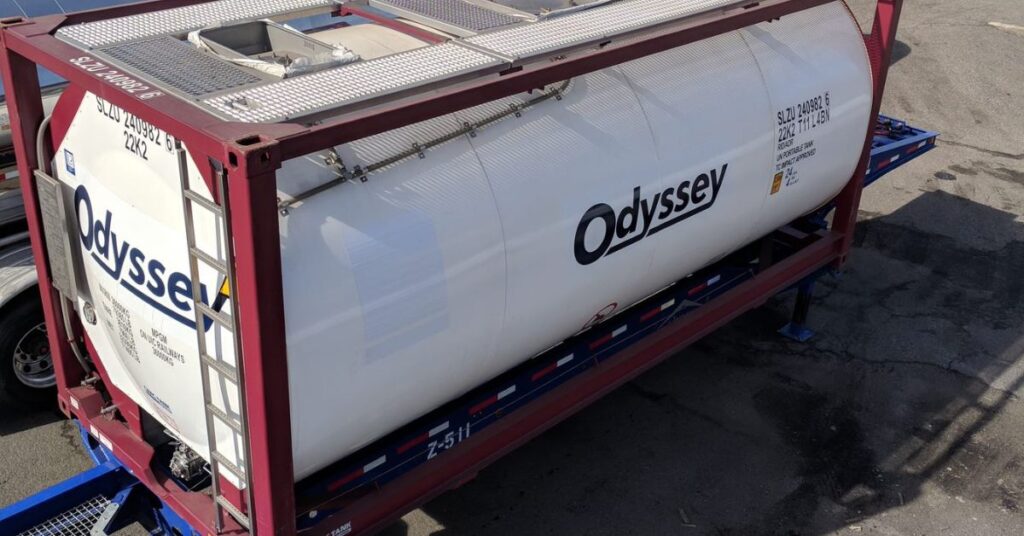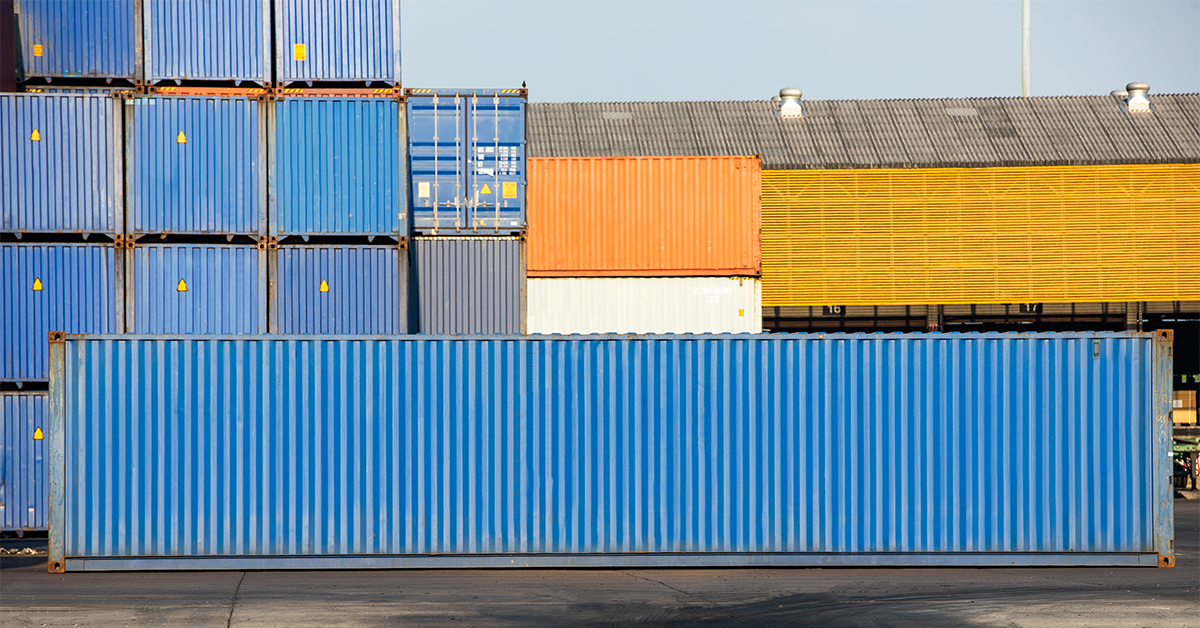
As truckload rates rise and 53-foot domestic intermodal capacity tightens, 20- and 40-foot ocean containers returning to port can provide a practical rail alternative for dense freight.
Truckload capacity is tightening. Higher fuel costs and a smaller available driver pool are pushing rates upward, prompting more shippers to shift eligible freight to intermodal. That shift is putting additional pressure on domestic intermodal networks, particularly on traditional 53-foot containers in high-demand lanes.
For shippers with the right freight moving toward port markets, there is another capacity source worth considering: 20- and 40-foot ocean containers returning inland freight to the coast.
Through Odyssey Logistics’ Domestic Repositioning Program (DRP), these containers can become an additional domestic intermodal option rather than returning to port empty.
Ocean containers headed back to port sit mostly empty
Many inland markets receive substantially more imported freight than they export. Steamship lines move loaded 20- and 40-foot containers from ports to inland destinations, then must reposition those containers back to port for their next international voyage. Too often, that return trip happens empty.
An empty repositioning move costs the carrier money and occupies rail and drayage capacity. Odyssey’s Domestic Repositioning Program puts that return move to work by matching eligible domestic freight with ocean containers already positioned inland and headed back toward port markets. Odyssey manages the equipment, rail line-haul, and drayage at both ends as one coordinated shipment.
The result is a practical exchange of value:
- Steamship lines reduce the cost of repositioning empty equipment
- Shippers gain access to container capacity that may not otherwise be available through traditional domestic intermodal channels, often at more cost-effective rates than standard 53-foot containers
- Freight moves toward port markets using an established rail-and-drayage network
Which freight is best suited to 20- and 40-foot ocean containers?
Not all freight is suitable for domestic repositioning. The freight that works best in a 20- or 40-foot container “weighs out before it cubes out.” In other words, it reaches the container’s weight limit long before it uses up the available interior space.
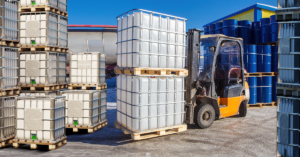
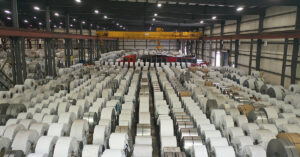
The strongest candidates tend to be dense, durable products, such as:
- Agricultural commodities, including rice, sugar, and beans
- Machinery and heavy parts
- Tile, fasteners, and other building products
- Canned goods
- Cementitious materials
- Certain metal products
Lightweight, high-cube freight, such as apparel, generally needs the extra interior volume of a 53-foot container and is a weaker fit here. Commodity, packaging, origin, destination, and delivery timing all factor into whether a specific lane makes sense.
What the Domestic Repositioning Program offers shippers
| Feature | What it means for your freight |
|---|---|
|
Container access |
Draws on Odyssey’s relationships with steamship lines and equipment providers for 20- and 40-foot containers |
|
Rail coordination |
Direct Class I railroad contracts manage the line-haul move |
|
Delivery |
Full door-to-door delivery at destination |
|
Pricing |
Competitive rates driven by the carrier’s own repositioning savings |
|
Visibility |
Tracking and status updates from pickup through port return |
|
Single point of contact |
One Odyssey team manages the shipment start to finish |
Intermodal brings lower costs and a different service profile
Intermodal is less expensive than truckload because it spreads freight across more capacity per move and carries different fuel and labor economics. This is true for intermodal generally, but also for Odyssey’s DRP program, where container-repositioning savings support competitive domestic pricing. Intermodal’s greater fuel efficiency also introduces ESG benefits.
There’s an important tradeoff, however. Rail moves on a different clock than truckload, and therefore transit times run longer. Shippers should weigh total landed cost and service requirements together before shifting any lane to intermodal.
A practical way to expand your intermodal options
Truckload rates show no signs of dropping, and, as more freight shifts to rail as a result, traditional intermodal capacity will keep tightening alongside it. Shippers with dense freight moving toward port markets have another option worth exploring: the ocean containers already returning that way.
Odyssey’s Domestic Repositioning Program turns unused equipment most shippers never see into a working part of their network. If your freight fits the profile, and your lanes point toward the coast, this option can give you back much-needed intermodal capacity in a market that becomes more crowded by the day.
Consult with Odyssey’s intermodal experts about whether your freight and lanes fit a domestic repositioning strategy.